Why New Year’s Resolutions Don’t Work for Emotional Burnout
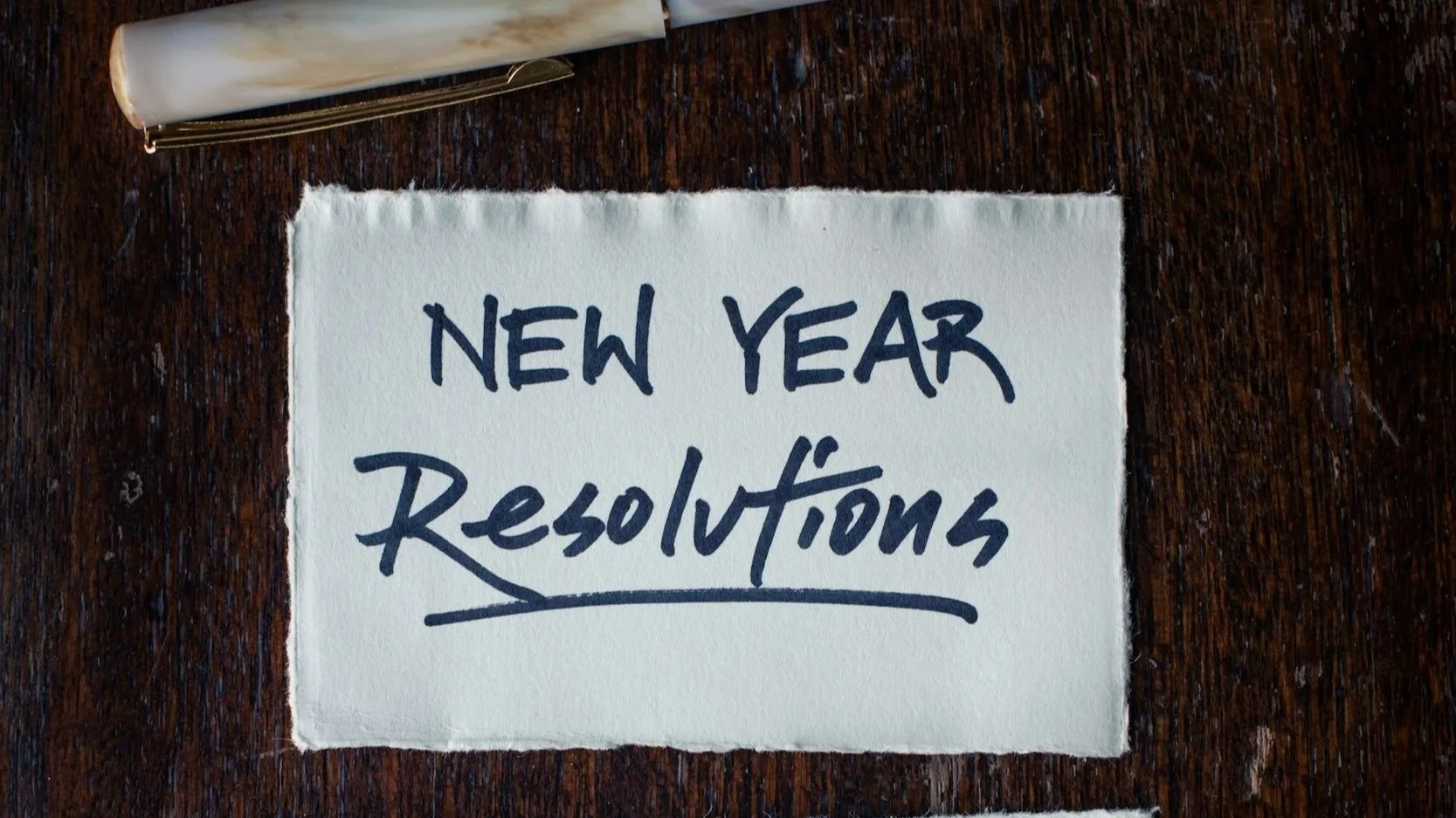
January is supposed to represent a fresh start. New goals. New habits. A “new you”. But for many men, the new year comes and nothing really changes. The exhaustion from last year is still there. The pressure is still there. And the quiet sense of running on empty follows right into another year. If this sounds familiar, the problem likely isn’t discipline or motivation. It is emotional burnout.
What Emotional Burnout Really Is
Emotional burnout isn’t just feeling tired or unmotivated. It is a deeper state of emotional depletion that builds up over time. Burnout often includes chronic emotional stress, constant pressure to perform, suppressed emotions, and functioning in survival mode for long periods of time. When these patterns are present, our nervous system isn’t resting. Over time, this makes it harder to feel joy, clarity, or motivation at all.
According to Psychology Today, burnout develops when ongoing stress outweighs a person’s ability to recover emotionally and physically. Especially when emotional needs are consistently being ignored or minimized.
Why Motivation Isn’t the Problem
A common misunderstanding is that burnout means we are lazy or not trying hard enough. Actually, burnout usually shows up in people who have been trying too hard for too long. Using motivation or discipline to push through burnout can actually make it worse.
When we rely only on willpower, we are forcing ourselves to perform without addressing emotional depletion. Over time, this leads to resentment, numbness or shutdown. Research shows that burnout is not caused by a lack of motivation but by prolonged emotional and psychological strain without enough recovery.
How Men Learn to Ignore Emotional Signals
Many men are socialized to push through discomfort, suppress emotions, and equate emotional awareness with weakness. Messages tied to toxic masculinity make it easier to dismiss early signs of burnout (like irritability, detachment, exhaustion) as something to “tough out”.
The problem is that ignoring emotional signals doesn’t make them go away. It drives burnout underground, where it builds quietly over time. Men are less likely to name emotional distress early which increases the likelihood of long term burnout and mental health struggles.
What Actually Creates Emotional Change
Real change doesn’t start with forcing ourselves to be different. It starts with awareness. Naming burnout for what it is (without minimizing it) creates space for change. From there, we can begin identifying patterns that contribute to emotional exhaustion, such as overworking, emotional suppression, or lack of boundaries.
Once we understand our emotional responses, we are better equipped to intervene earlier instead of waiting until burnout becomes overwhelming. Therapy can support this process by helping to build emotional awareness, regulate stress and shift patterns that keep you stuck in survival mode.
Conclusion
New Year’s resolutions often fail because they focus on behavior without addressing emotional reality. Burnout isn’t solved by trying harder. It is healed by understanding ourselves more deeply. When we learn to listen to our emotional signals instead of overriding them, meaningful and lasting change becomes possible.
If you find yourself starting each year exhausted despite your best intentions, it may be time to stop pushing and start paying attention.